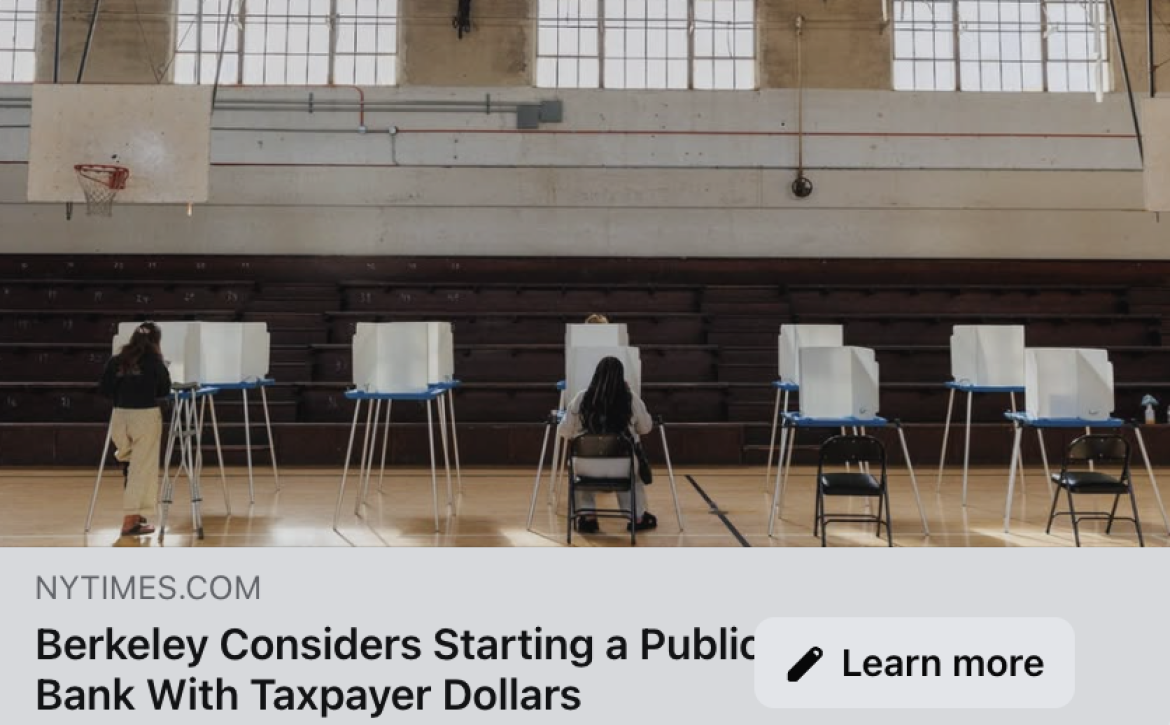
Next week, Berkeley voters decide on Measure Z, which would create a public bank modeled on the Bank of North Dakota. It’s been around since 1919 and has kept credit flowing when private banks pulled back.
Berkeley’s Public Bank East Bay would lend through local credit unions and community banks for affordable housing, clean energy, and small businesses. San Francisco has a public bank measure on the ballot too.
Public banking isn’t a fringe idea anymore. It’s on the evening news. On Wednesday, the Los Angeles City Council voted 11-3 to fund $460,000 for a feasibility study on a city-owned public bank. The Council first approved this study in 2023, but the money got swept back into reserves when the budget got tight. Now it’s back on track, thanks to years of organizing by Public Bank LA and community members who kept showing up at public comment, in council offices, and in the press.
The study will map out what a municipal bank could look like for Angelenos: its mission, governance, capitalization, and path to regulatory approval.
The big question from critics is whether the city can run a bank. LA already runs LAX, the Port of LA, and LADWP, all multibillion-dollar enterprises run by independent commissions and professional staff. A public bank would work the same way. It wouldn’t be a retail bank with branches or checking accounts. It’d be the city’s bank, lending through local credit unions, community banks, and CDFIs to finance affordable housing, small businesses, and clean energy, and keeping LA’s public dollars working for LA instead of Wall Street.
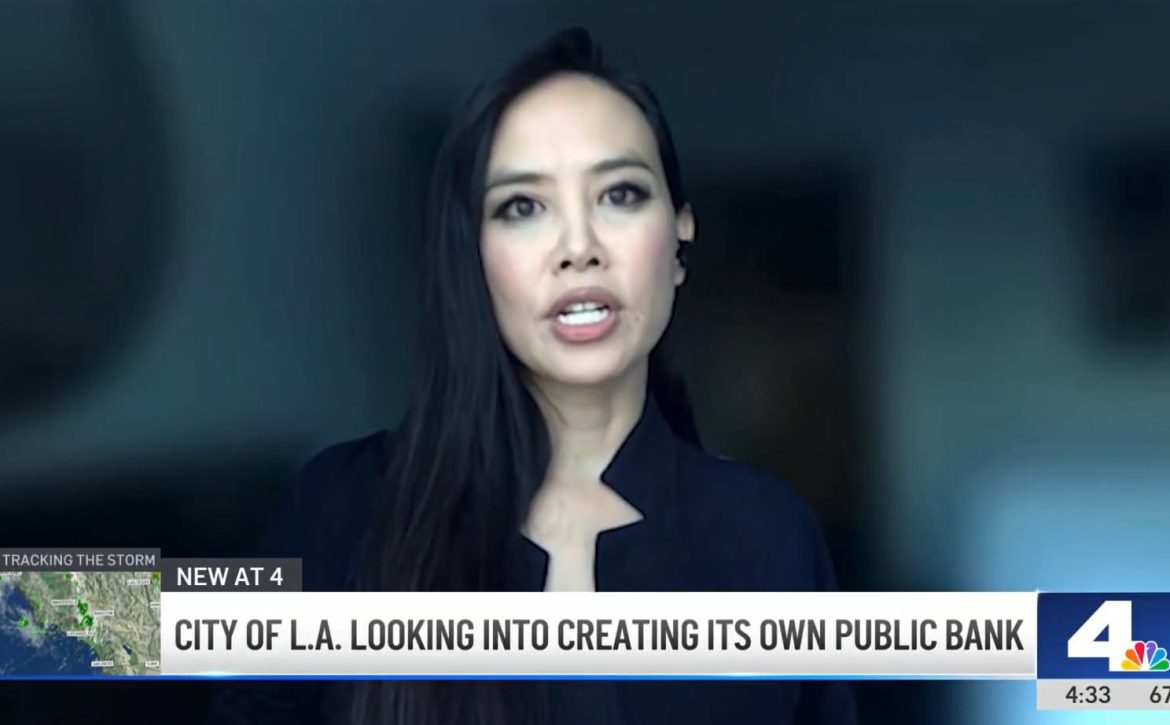
Local TV took notice. NBC4 sat down with CPBA Executive Director Trinity Tran to ask whether Angelenos would sign up for a city-owned bank, and FOX 11 covered the vote with Eli Lipmen of Move LA, a member of the Public Bank LA coalition.
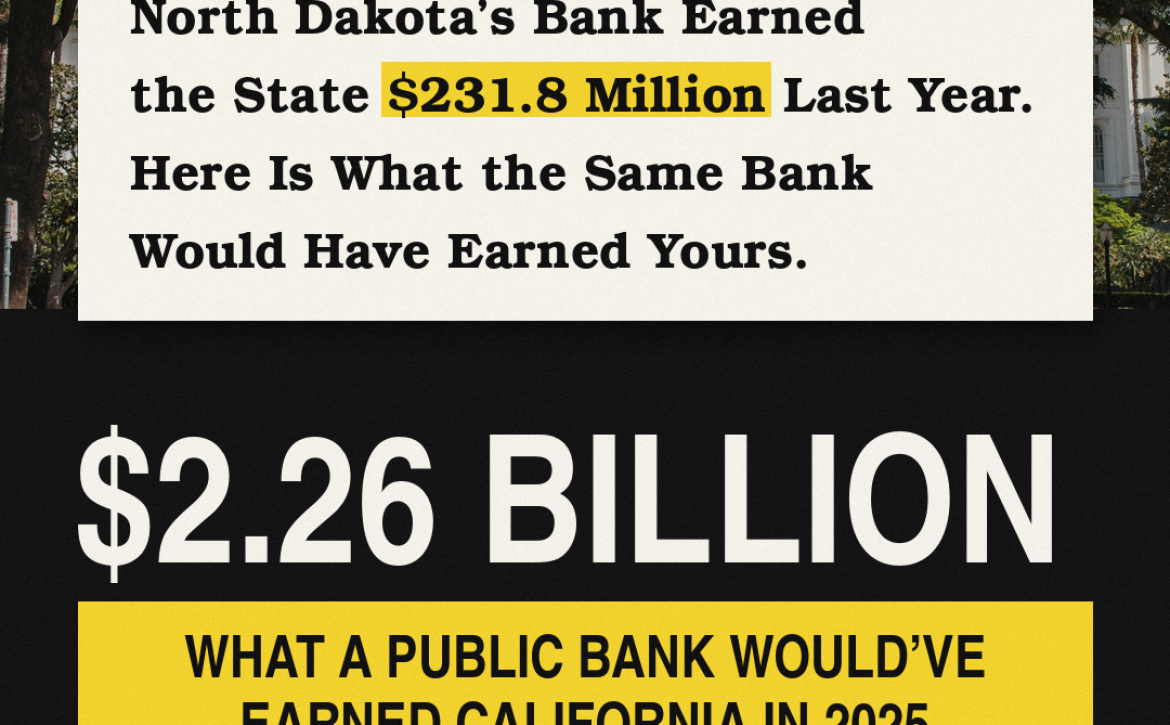
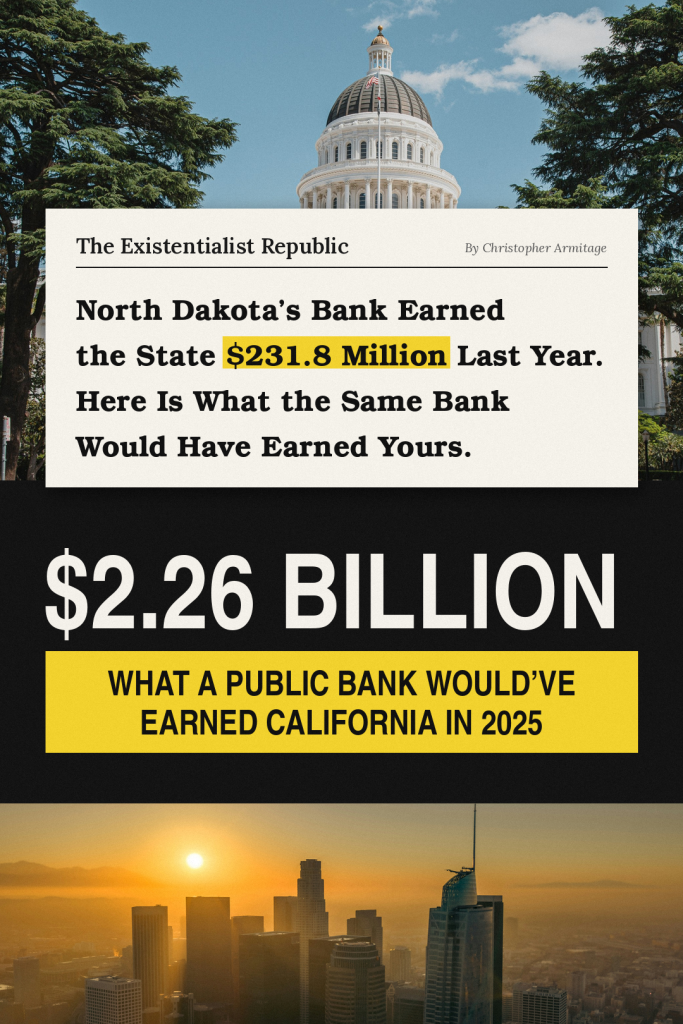
$2 billion in profit! That’s what it would look like if California had owned a state public bank. Christopher Armitage ran the numbers. Using public cash the state already holds, a Bank of North Dakota-style public bank would’ve earned California $2.26 billion in 2025 alone, and $20.1 billion over 10 years. That’s without cutting essential services or raising taxes.
With budget deficits squeezing states across the country and an affordable housing crisis, this is the conversation our leaders should be having. Read the latest in The Existentialist Republic.
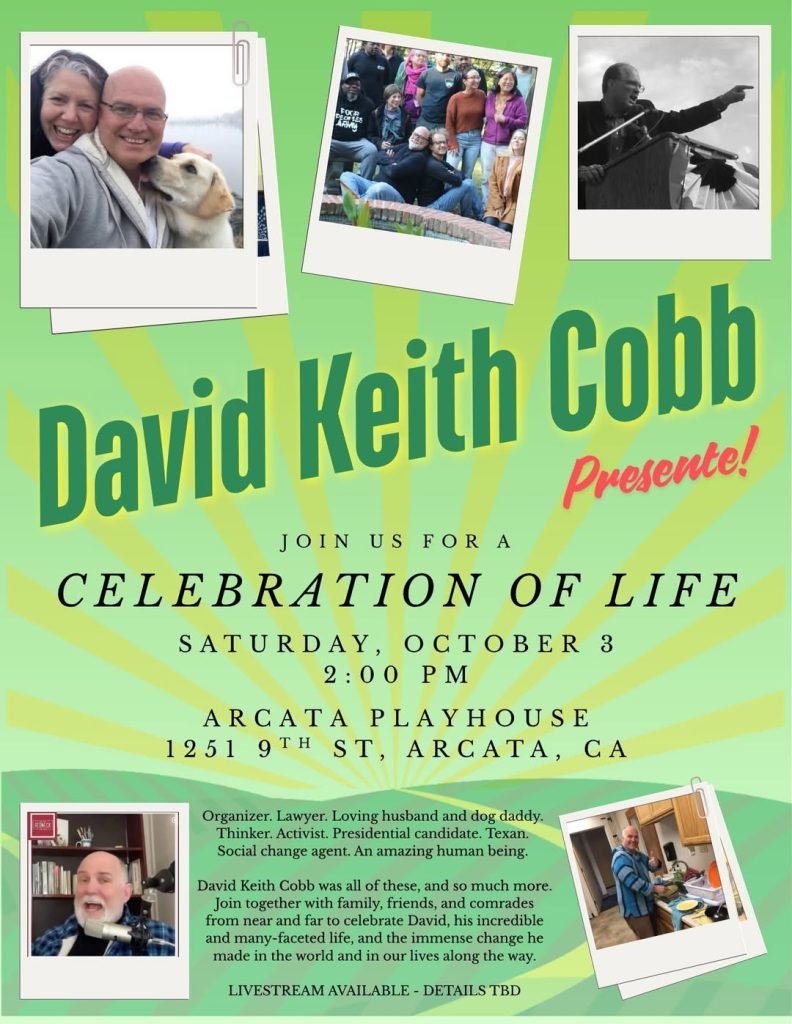
We lost a dear friend and colleague this September. David Cobb, our Onboarding Director and North Coast Regional Rep, passed away on Labor Day. David gave over 30 years to social justice and the fight for democracy, and he’d been with this Alliance since 2019. Much of what we’ve built carries his fingerprints, from onboarding new organizers to representing our coalition up north and nationwide.
Beyond CPBA, David spent decades working across the movement, including with The Democracy Collaborative, the Green Party, and the US Solidarity Economy Network.
His longtime friend Jim Reed wrote a beautiful tribute to him, shared at the request of David’s partner, Ruthi Engelke. Read it here: link.
A celebration of life will be held Saturday, October 3 at 2pm at the Arcata Playhouse, 1251 9th St, Arcata, CA.
We’ll miss him. And we’re grateful for every year we got to work alongside him.
With that grief also comes gratitude for the movement he helped build. Here’s what’s been happening across CPBA… Public Banking Listening Session
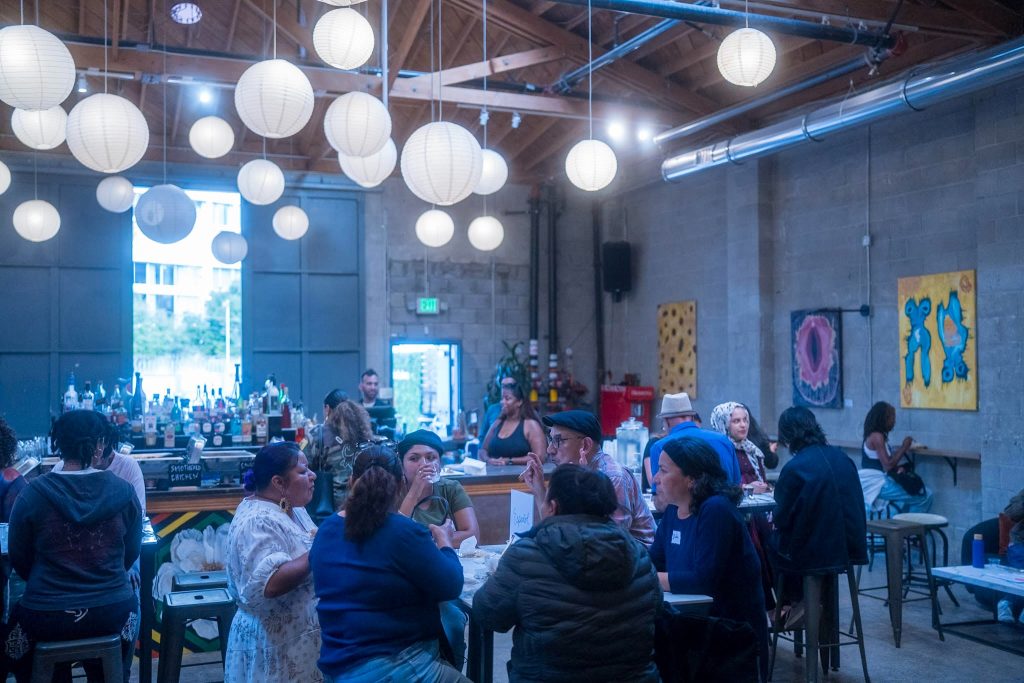
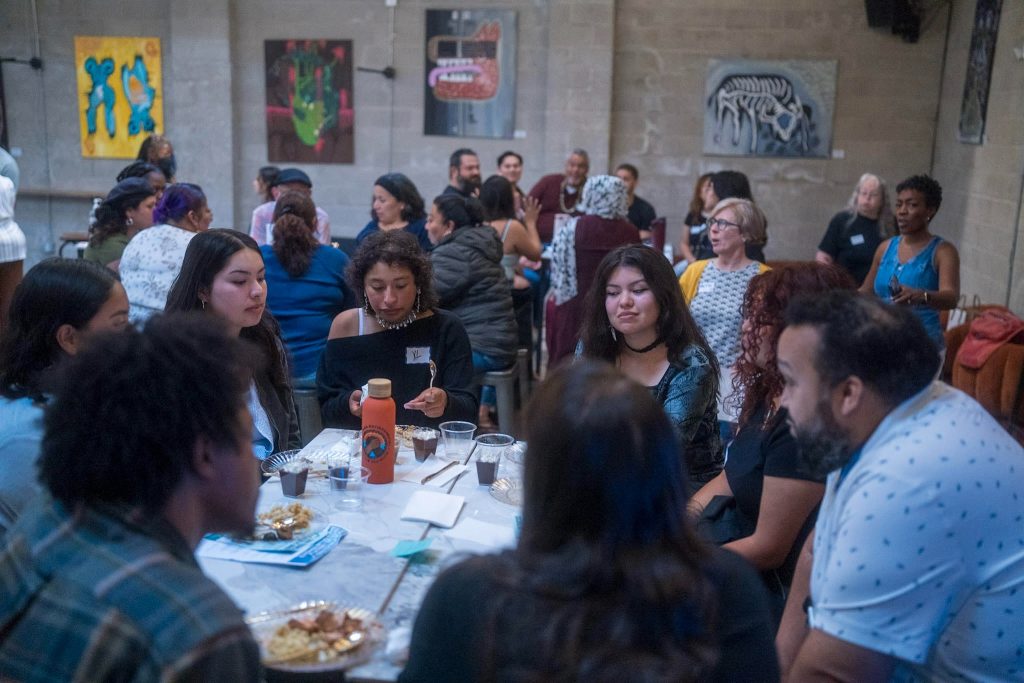
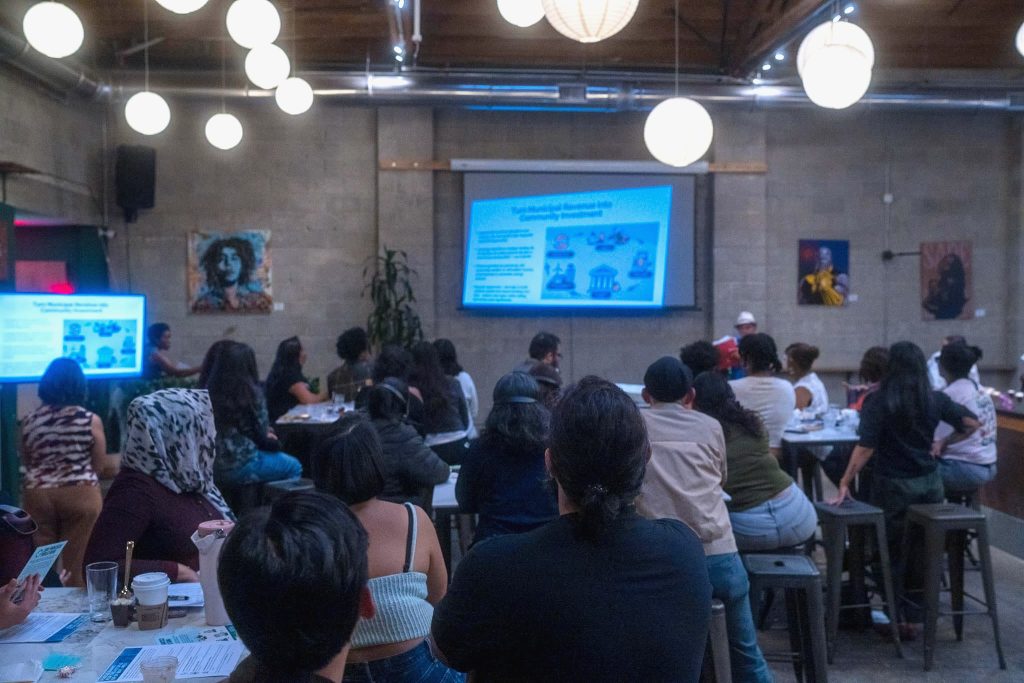
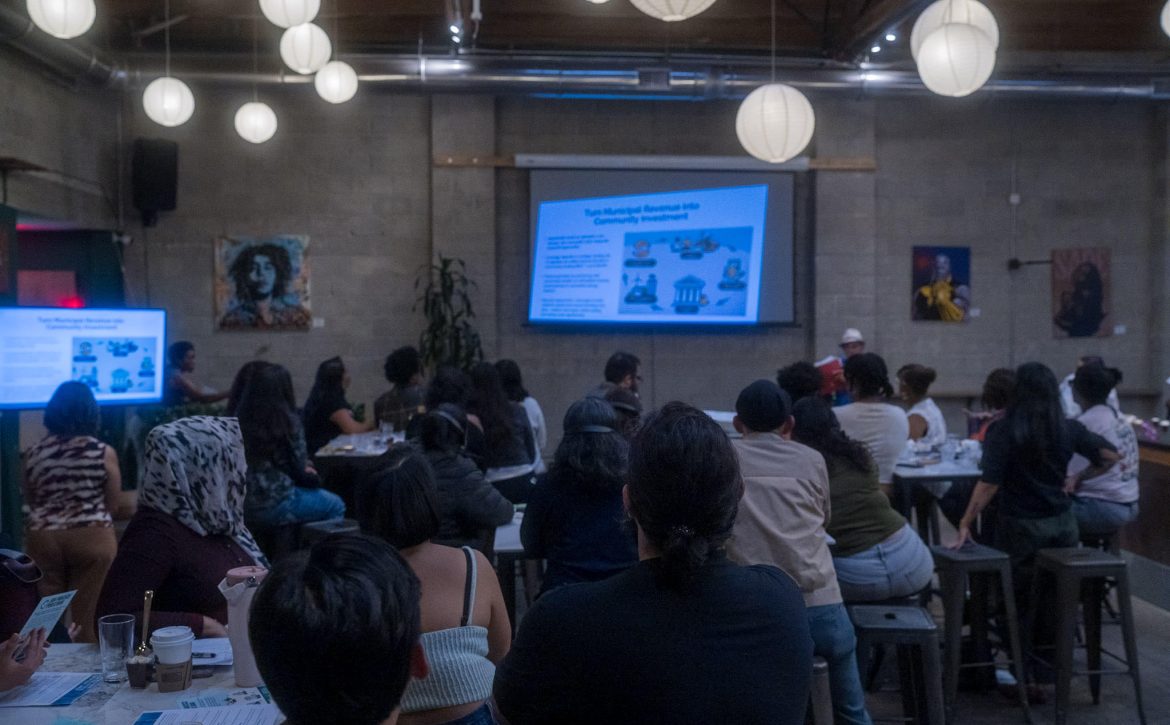
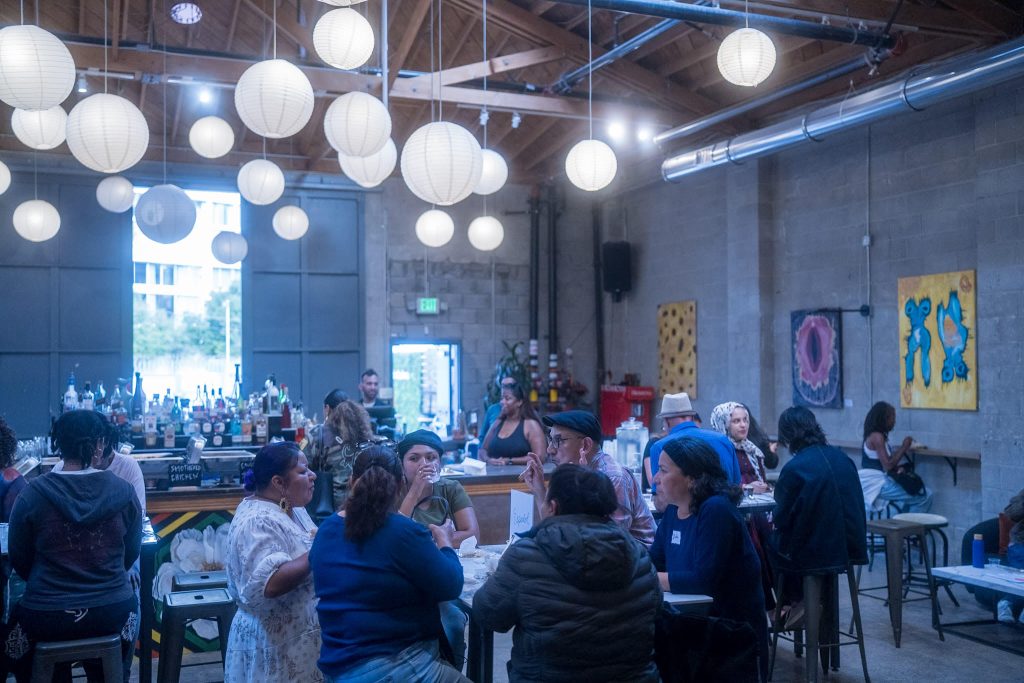
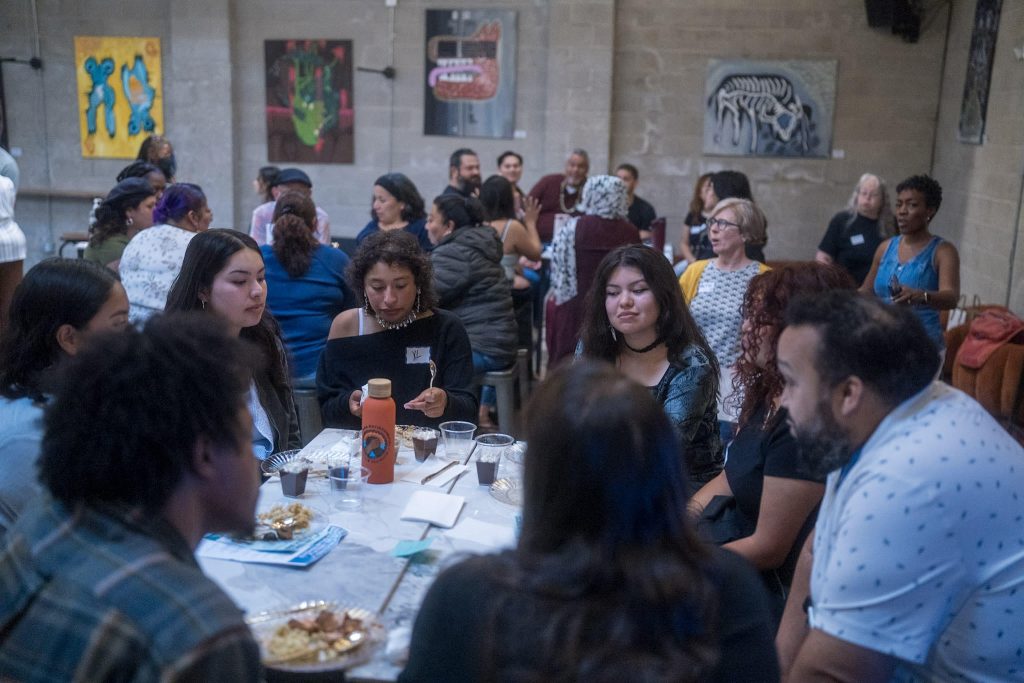
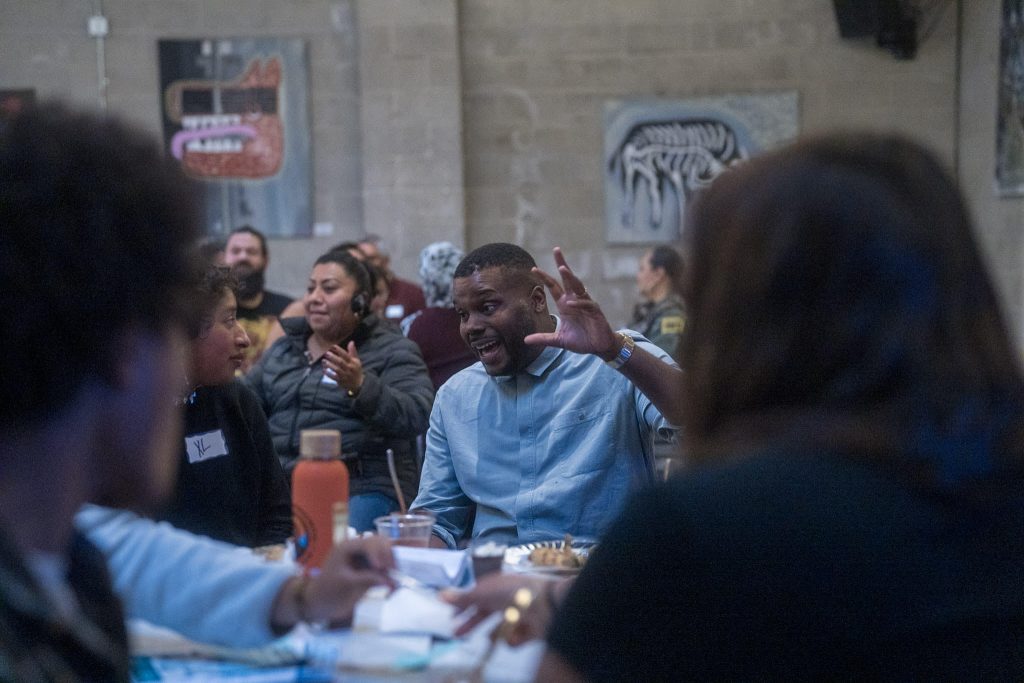
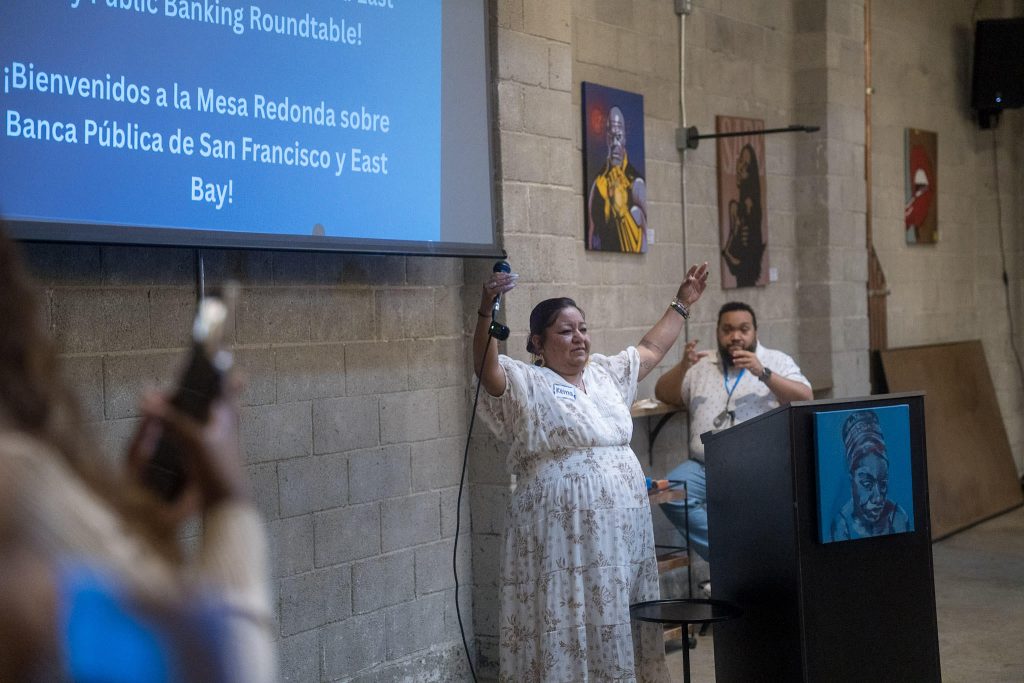
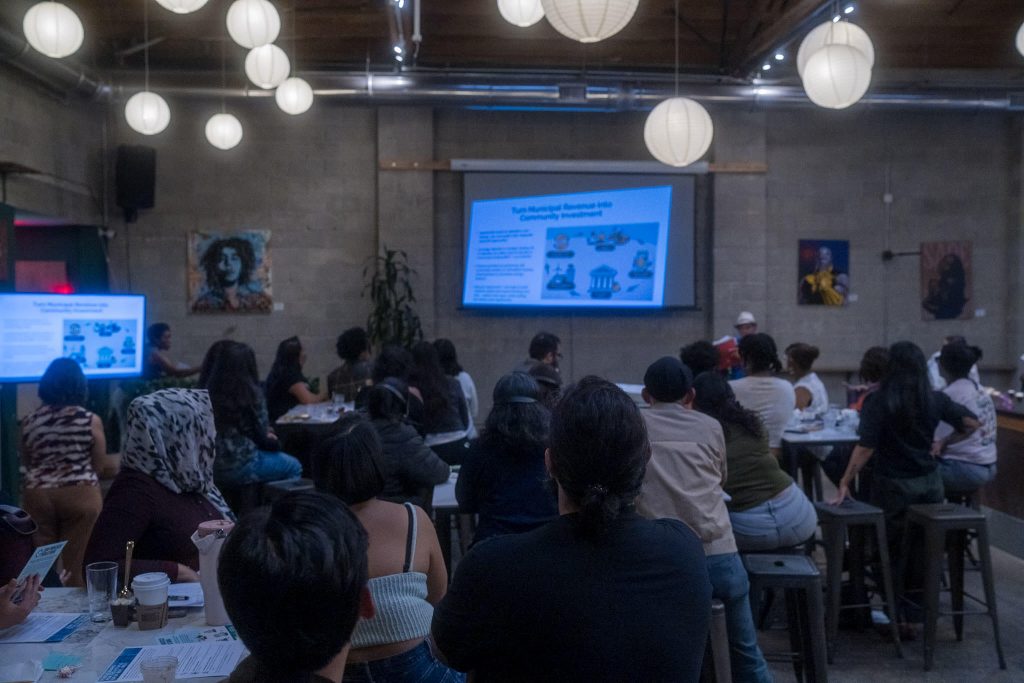
Hella Bees, a Black-owned restaurant and bar in Oakland, was buzzing Thursday evening August 27 when community members from the East Bay and San Francisco came together to talk about public banking and what it could mean for their communities. Four small groups of 8-10 people, mostly people of color, dug into the financial challenges they face and discussed how regional public banks might work.
Jointly organized by End Poverty in California (EPIC), SF Public Bank, Public Bank East Bay, and the California Public Banking Alliance, this roundtable showed how organizations can collaborate to make positive change. Many people new to public banking learned about public banking ballot measures this November: Berkeley’s Measure Z, a parcel tax to capitalize a regional public bank, and San Francisco’s Proposition B, which would authorize a Municipal Finance Corporation now and a public bank later.
Special thanks to Michael Tubbs, Founder of EPIC and former Mayor of Stockton, and to Nikki Fortunato Bas, Alameda County Supervisor for joining the listening session, and to Rick Girling of CPBA and Reina Tello of PODER SF for facilitating.
Photos: End Poverty in California
TED Films: Who Controls Your City’s Money
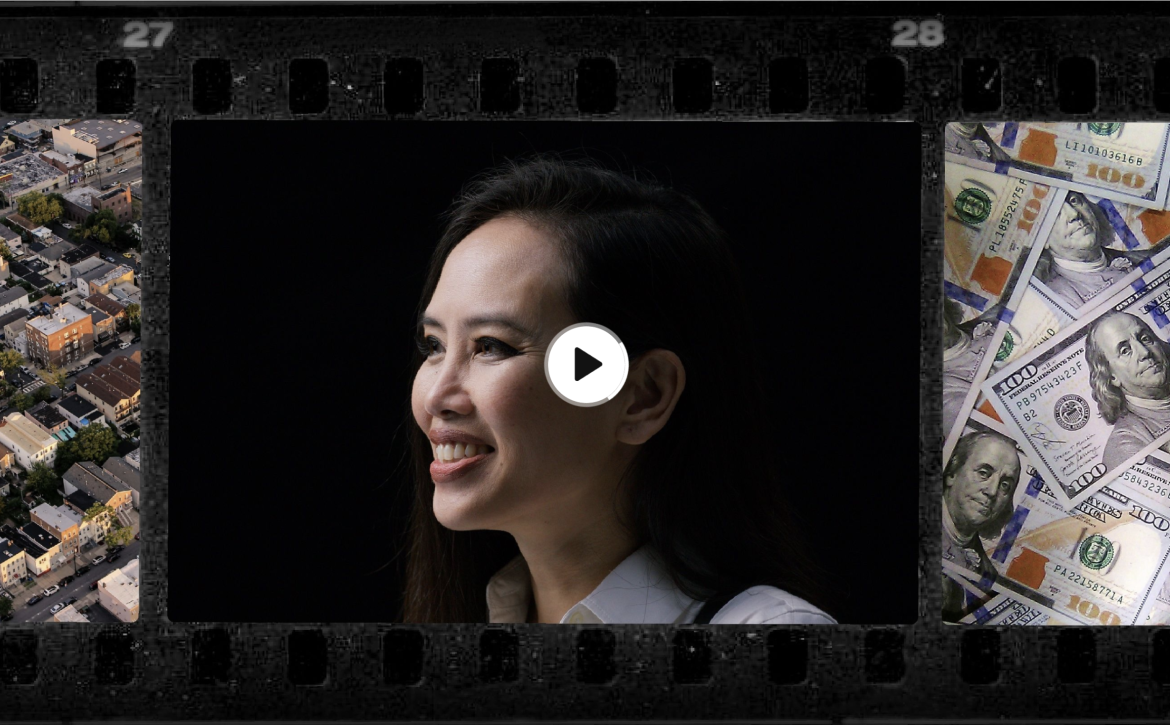
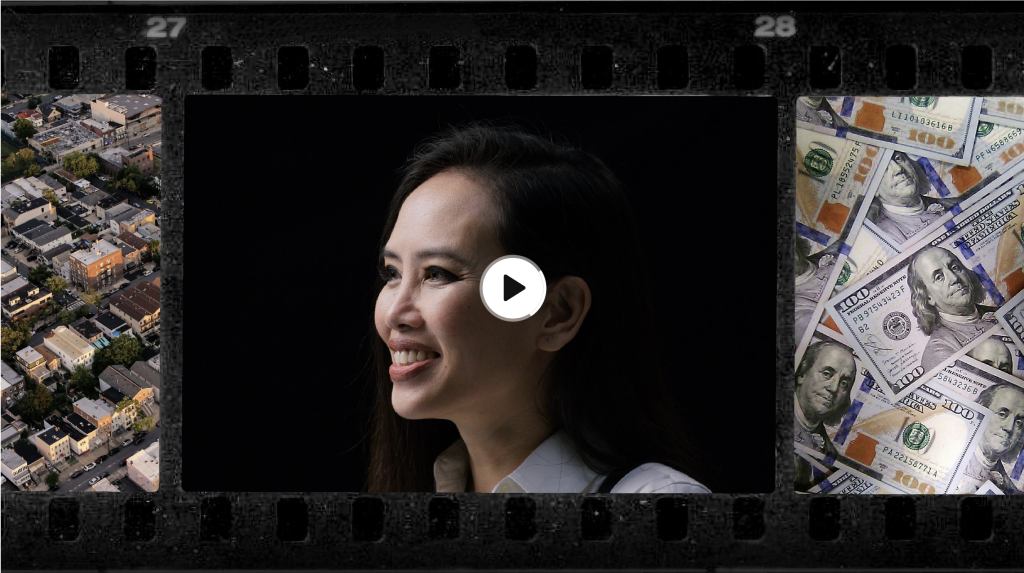
Take 5 minutes to watch Trinity Tran, 2026 TED Fellow and the Executive Director of CPBA, explain why public banking is critical in building a community-led financial ecosystem. With visuals that amplify her message, Trinity presents an overview of public banking that educates and provides public banking advocates with tools to succeed in establishing public banks.
It’s already at 200,000+ views, help us spread the word and push past 300,000!
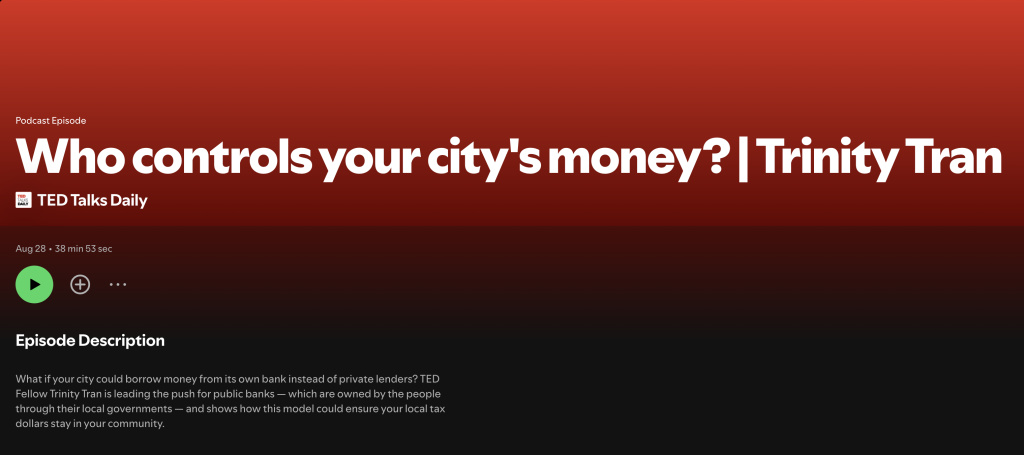
To get a deeper dive on the public banking movement, listen to Who Controls Your City’s Money, a TED Talks Daily podcast featuring an interview with Trinity where she discusses how her meditating combined with her protesting against the Dakota Access Pipeline led her to a growing commitment to democratizing finance. Trinity emphasizes that money is power, the power to decide which investments should be prioritized and that this power should not be exclusively in the hands of Wall Street bankers. The history of the nation’s only state public bank, the Bank of North Dakota, and the broad system of public banks in Germany are explored as inspirations for the burgeoning public banking movement in California and beyond.
Welcome Thomas Hanna, CPBA’s Legislative and Policy Advisor
We’re excited to welcome Thomas Hanna to CPBA as a volunteer Legislative and Policy Advisor! Thomas is VP of Research at The Democracy Collaborative and a longtime ally of the California and national public banking movement. He’s spent years studying public ownership and banking, and he’s been in the trenches with us before, co-authoring “Constructing the Democratic Public Bank,” a governance proposal for the Los Angeles public bank published after the California Public Banking Act passed.
Thomas is also the author of Our Common Wealth: The Return of Public Ownership in the United States (Manchester University Press, 2018), and of “The Crisis Next Time: Planning for Public Ownership as an Alternative to Corporate Bank Bailouts” (Next System Project, 2018), both foundational reads if you want to dig deeper into the case for public finance and public ownership. We’re grateful to have his expertise on our team as we push this work forward.
Take 5 minutes to watch Trinity Tran, 2026 TED Fellow and the Executive Director of CPBA, explain why public banking is critical in building a community-led financial ecosystem. With visuals that amplify her message, Trinity presents an overview of public banking that educates and provides public banking advocates with tools to succeed in establishing public banks.
It’s already at 200,000+ views, help us spread the word and push past 300,000!
To get a deeper dive on the public banking movement, listen to Who Controls Your City’s Money, a TED Talks Daily podcast featuring an interview with Trinity where she discusses how her meditating combined with her protesting against the Dakota Access Pipeline led her to a growing commitment to democratizing finance. Trinity emphasizes that money is power, the power to decide which investments should be prioritized and that this power should not be exclusively in the hands of Wall Street bankers. The history of the nation’s only state public bank, the Bank of North Dakota, and the broad system of public banks in Germany are explored as inspirations for the burgeoning public banking movement in California and beyond.
Hella Bees, a Black-owned restaurant and bar in Oakland, was buzzing Thursday evening August 27 when community members from the East Bay and San Francisco came together to talk about public banking and what it could mean for their communities. Four small groups of 8-10 people, mostly people of color, dug into the financial challenges they face and discussed how regional public banks might work.
Jointly organized by End Poverty in California (EPIC), SF Public Bank, Public Bank East Bay, and the California Public Banking Alliance, this roundtable showed how organizations can collaborate to make positive change. Many people new to public banking learned about public banking ballot measures this November: Berkeley’s Measure Z, a parcel tax to capitalize a regional public bank, and San Francisco’s Proposition B, which would authorize a Municipal Finance Corporation now and a public bank later.
Special thanks to Michael Tubbs, Founder of EPIC and former Mayor of Stockton, and to Nikki Fortunato Bas, Alameda County Supervisor for joining the listening session, and to Rick Girling of CPBA and Reina Tello of PODER SF for facilitating.
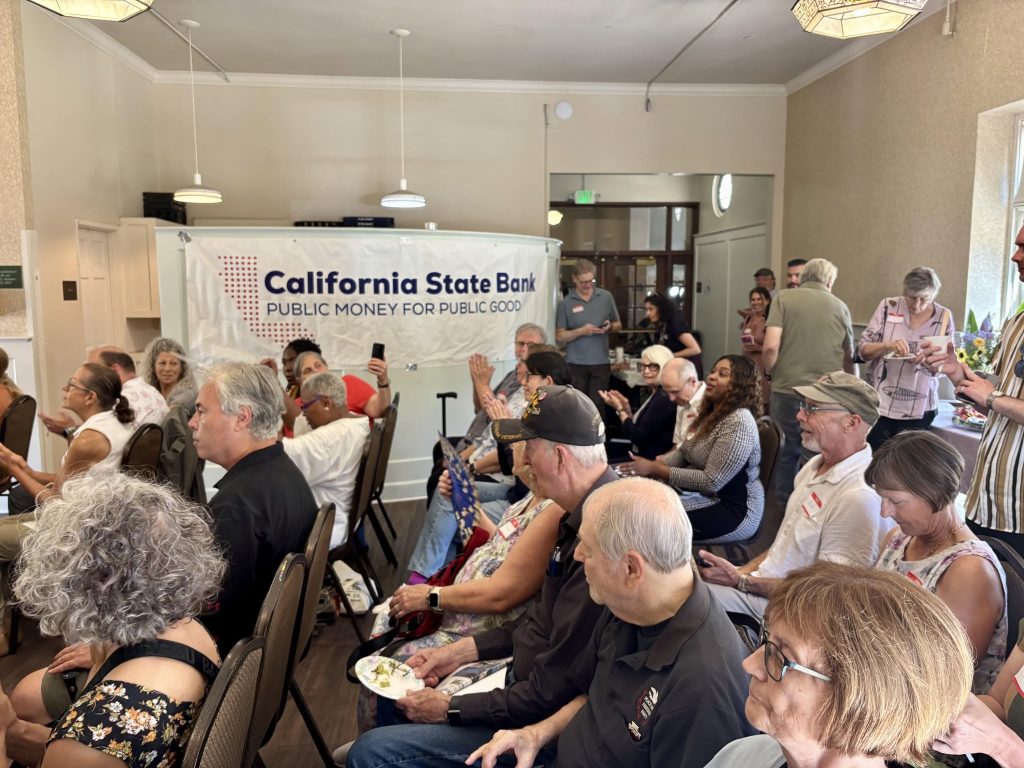
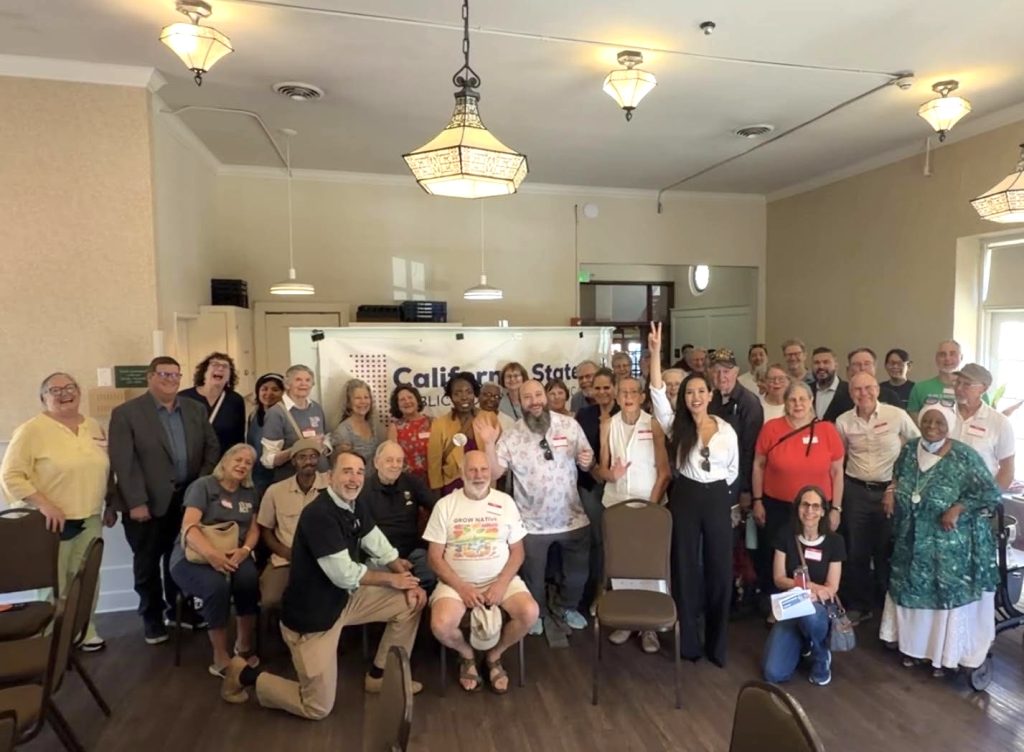
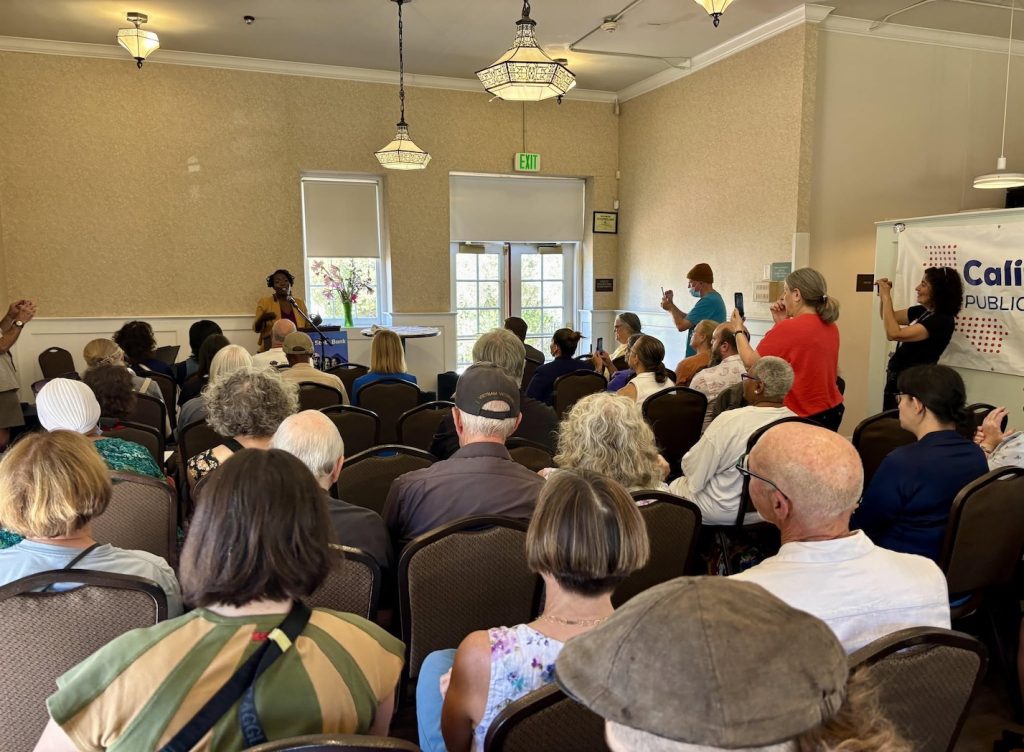
Standing room only in 93°+ degree heat at our Public Banking Community Gathering in Sacramento and the room stayed packed. That’s what public banking momentum looks like!
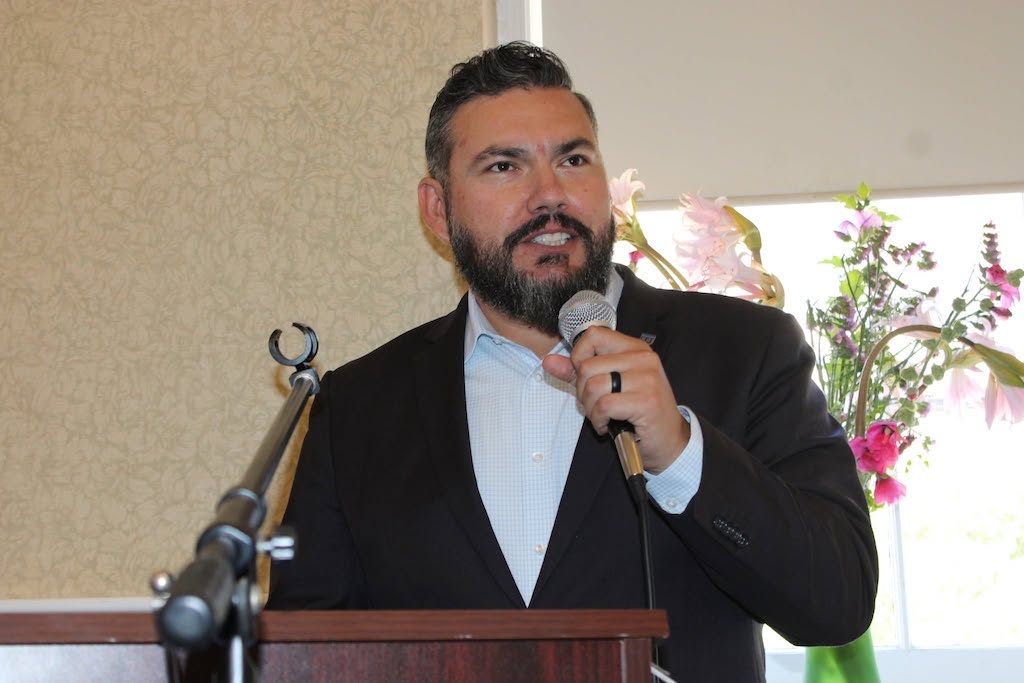
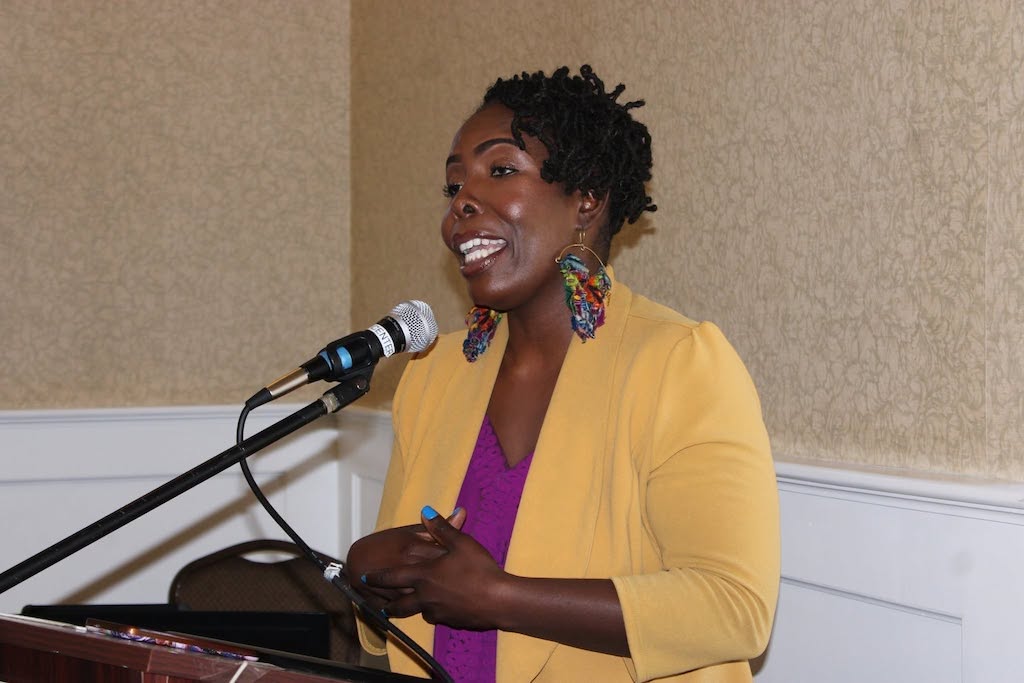
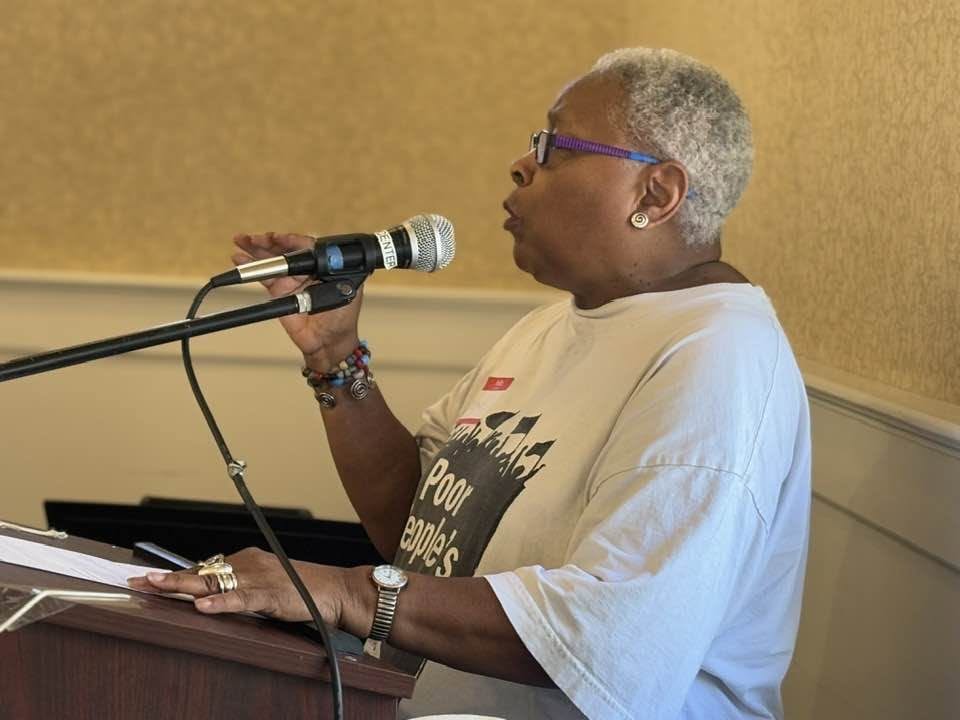
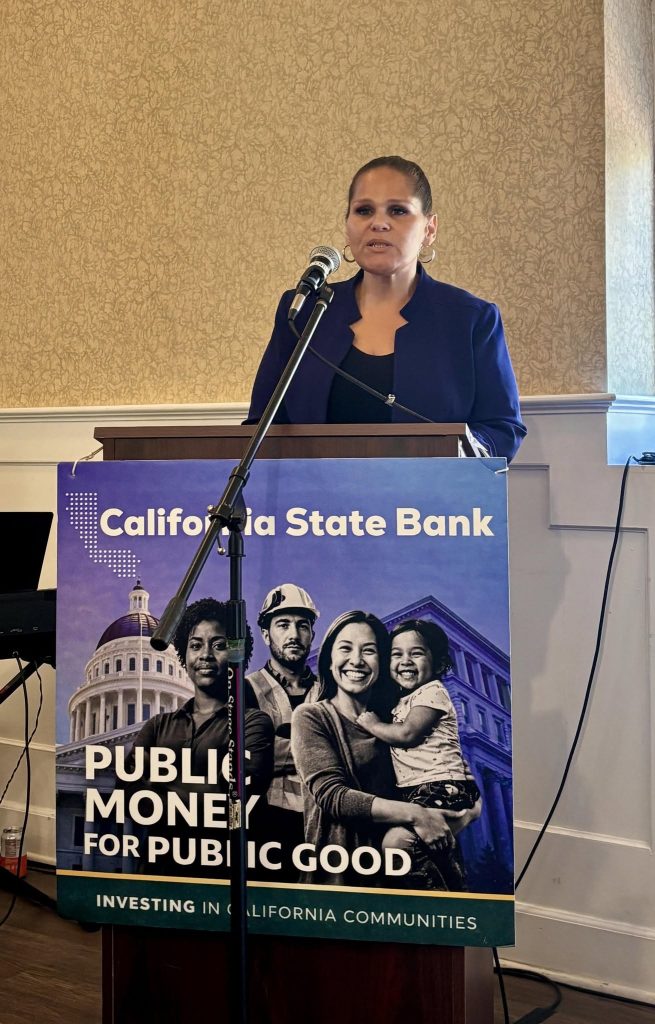
Huge thanks to our speakers Tristan Brown (CFT – California Federation of Teachers), Dawn Basciano (Women Democrats of Sacramento County), Dr. Flo Cofer (Sacramento Climate Coalition), Faye Wilson Kennedy (Poor People’s Campaign), and California Public Banking Alliance’s Trinity Tran for breaking down why California needs a publicly owned bank, and to our dozen co-hosts CFT, Women Democrats of Sacramento County, Sacramento Climate Coalition, 350 Sacramento, Third Act Sacramento, Indivisible Sacramento, Environmental Council of Sacramento (ECOS), Coalition Against Project 2025, The Greenlining Institute, and End Poverty in California for helping make this happen. Sacramento showed up for their communities by demanding to keep our public dollars local.
CPBA leaders from the Central Coast to Los Angeles, from Sacramento to San Francisco, joined the event from across the state.
The state bank campaign keeps moving. More soon!
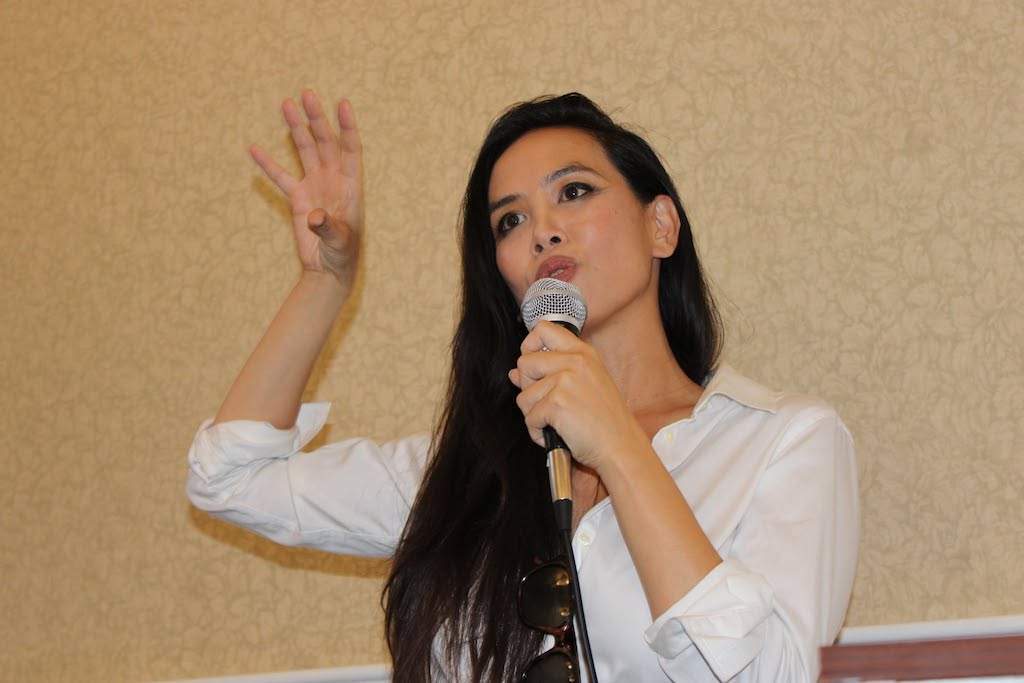
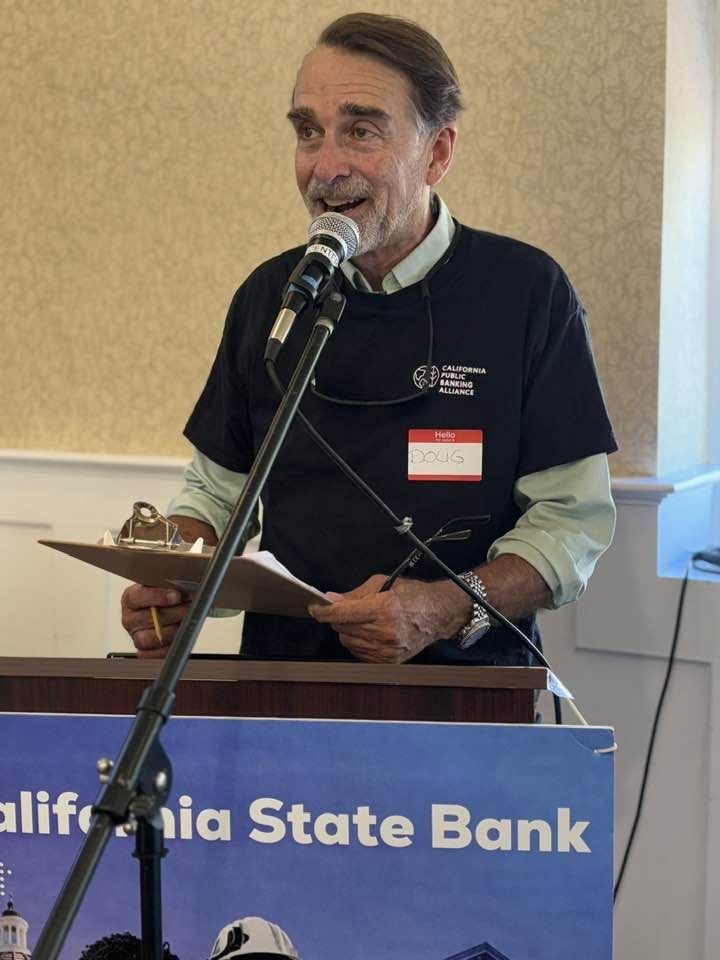
Trinity Tran, California Public Banking Alliance. Photo: Dan BacherTristan Brown, CFT – California Federation of Teachers. Photo: Dan BacherDr. Flo Cofer, Sacramento Climate Coalition. Photo: Dan BacherFaye Wilson Kennedy, Poor People’s Campaign. Photo: Dan BacherDawn Basciano, Women Democrats of Sacramento County. Photo: CPBADoug MacPherson, California Public Banking Alliance and Sacramento Climate Coalition. Photo: CPBA.
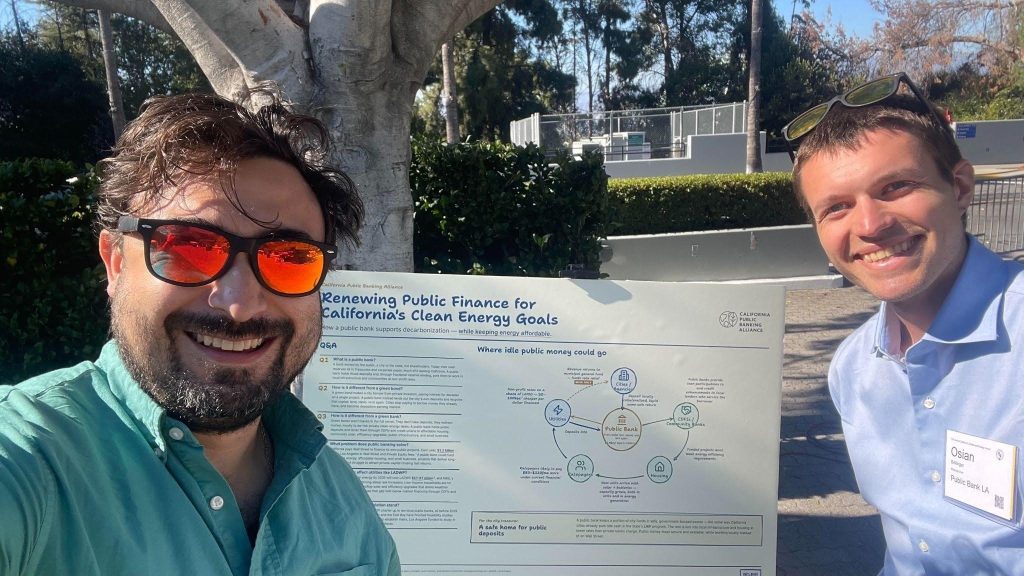
Los Angeles A big thank you to Dan Pelegero and Osian Bellinger with Public Bank LA and CPBA, and Martha Turner with 350 Sacramento. Dan and Osian created the poster presented at the California Climate & Energy Collaborative Forum in Los Angeles in late June – and it made an impression! Between the three of them, they estimate speaking with around 100 attendees, with theirs being the last display standing as conversations kept going. The room was full of local government climate program managers, community-based organizations, and private sector partners.
Check out the poster, “Renewing Public Finance for California’s Clean Energy Goals,” which uses Los Angeles as its model.
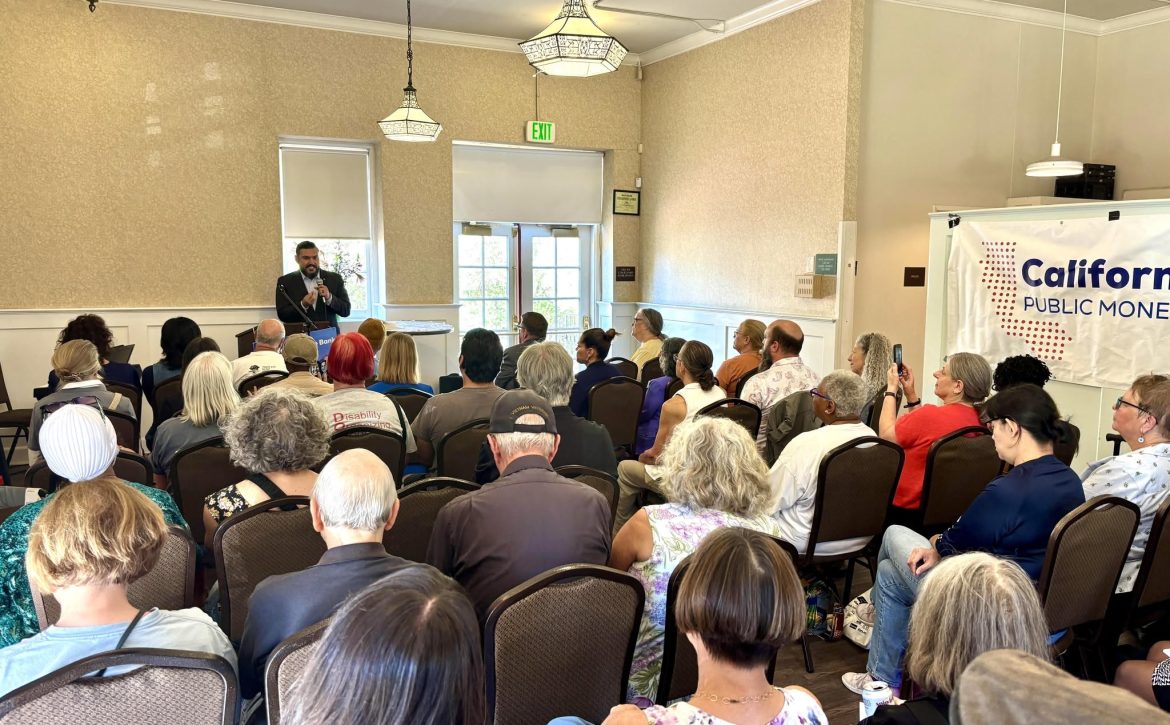
Berkeley Ballot Measure Voters in Berkeley will be asked to approve a parcel tax to capitalize and support a public bank that includes Berkeley in its service area. It is one of seven ballot measures for the City of Berkeley and the full text of the initiative is available here.
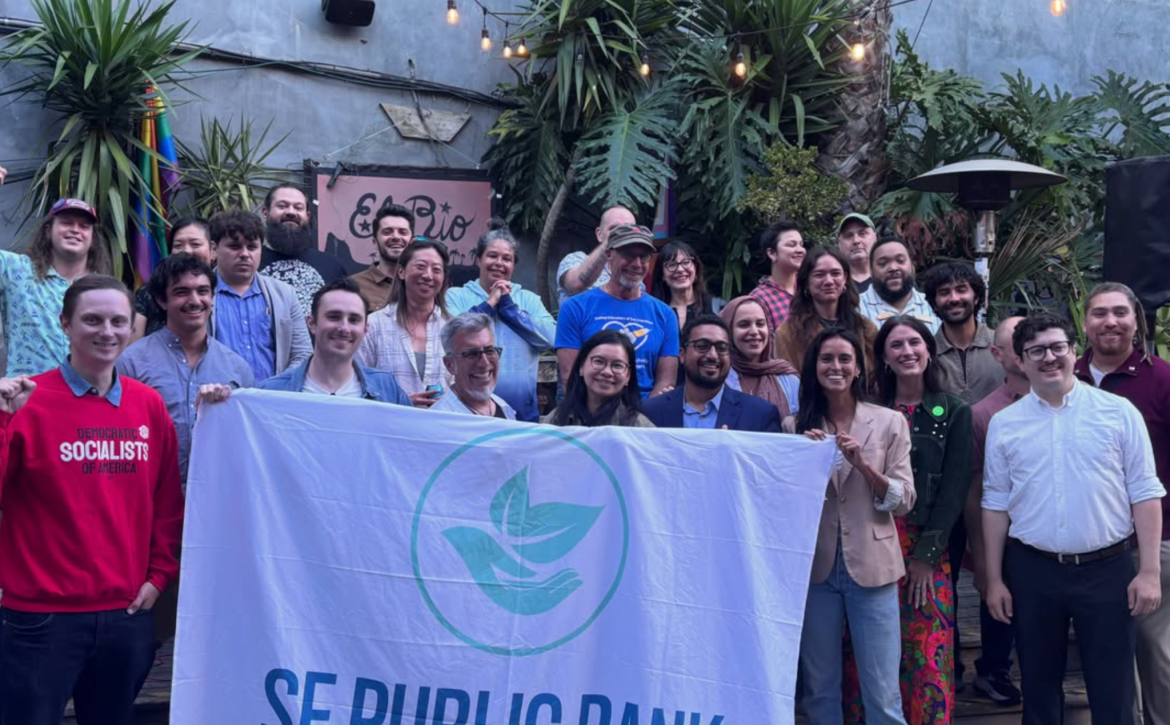
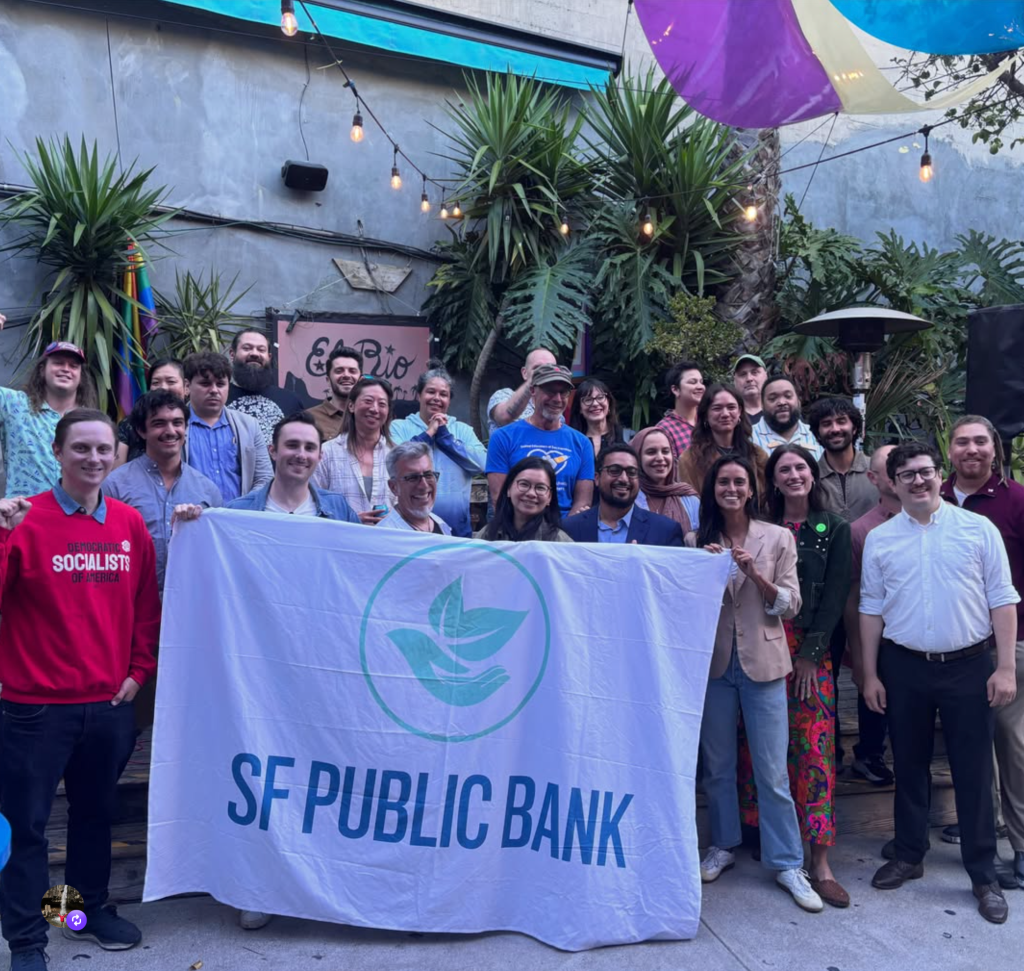
SF Public Bank Ballot Measure
The San Francisco Board of Supervisors voted 9-2 to place a measure on the November ballot that will determine the governance of the public bank and marks another critical step towards creating the first city-run public bank for San Francisco. After 10 years, advocates finally have a chance to make public bank a reality
Read the Letter to the Editor of SF Chronicle from California Public Banking Alliance’s Vice Chair, Rick Girling: Public Bank Makes Sense
San Jose
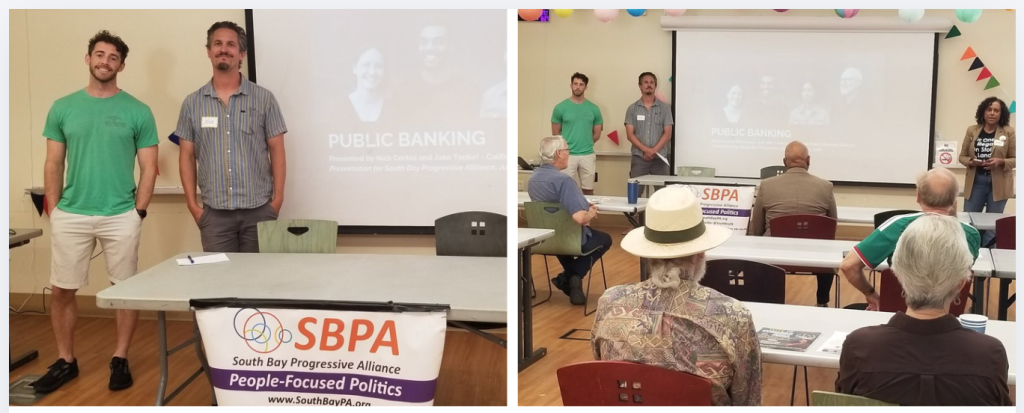
Shout out to Nick Cortez and Jake Tonkel for representing the California Public Banking Alliance at the South Bay Progressive Alliance’s July meeting! Nick and Jake presented on how public banking can break the grip of private lenders and reduce the high financing costs that drain state and local government budgets. California currently spends billions every year on interest to private banks, money that could be reinvested in housing, clean energy, and community needs.
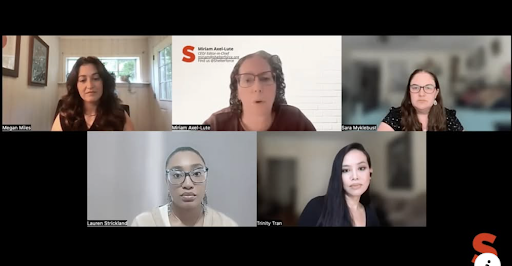
CPBA’s Executive Director Trinity Tran joins Shelterforce‘s Laboratories of Democracy panel to talk public banking and the state & local policies moving the needle on housing and community investment right now:
“Nobody thinks their tax dollars should be making Jamie Dimon richer while our streets are crumbling and our neighborhoods are deteriorating.”
Trinity Tran: Afternoon, everyone. I’m Trinity Tran, she/her. I’m the cofounder/executive director of the California Public Banking Alliance and Public Bank LA. We have been laser-focused on building the blueprint for socially and environmentally responsible public banks here in California for years and working with our merry band of heroes with communities and local governments to get this really exciting emerging public policy off the ground. We’re in a moment right now where this conversation is really critical. We’re seeing, obviously, federal funding getting gutted on top of local budget deficits, on top of state deficits.
Many of the core funding streams in our communities have been impacted by this fall volatility, from affordable housing, social services, infrastructure. The question and the conversation [is] around how do we pay for it? What can we do at the local level to leverage public resources at scale to be able to build the things we need? That conversation is so relevant, so urgent right now. That’s what we’ve been organizing around. Right now, cities, counties, states are sitting on hundreds of billions of dollars in public funds. Right now, almost all of it flows to Wall Street banks. They use those funds to generate profit for shareholders while our communities are struggling with basic necessities.
We’re working to change that here in California. Our grassroots-led team passed the California Public Banking Act, which was the nation’s first law, allowing local governments to form their own public banks. We’re working with communities and local governments to get these banks off the ground. We’re also working on the CalAccount program, which, once it’s implemented, [will] be the nation’s first universal banking services program to provide zero-cost, zero-fee, zero-penalty bank accounts for all Californians. That’s going to be crucial, especially for the millions of unbanked [or] underbanked folks here in California who are locked out of the system.
That’s part of our system-changing work. We’re trying to move beyond just patching up the faults of the current system and building a new, evolved system that really works for our people and our planet. This is the moment to do this. With all of these converging financial pressures—from the federal level to the state level to the local level—this is the exact type of bold solution that we think is needed. [I’m] looking forward to digging into public banking a bit more in this webinar and why now is the moment for this fight.
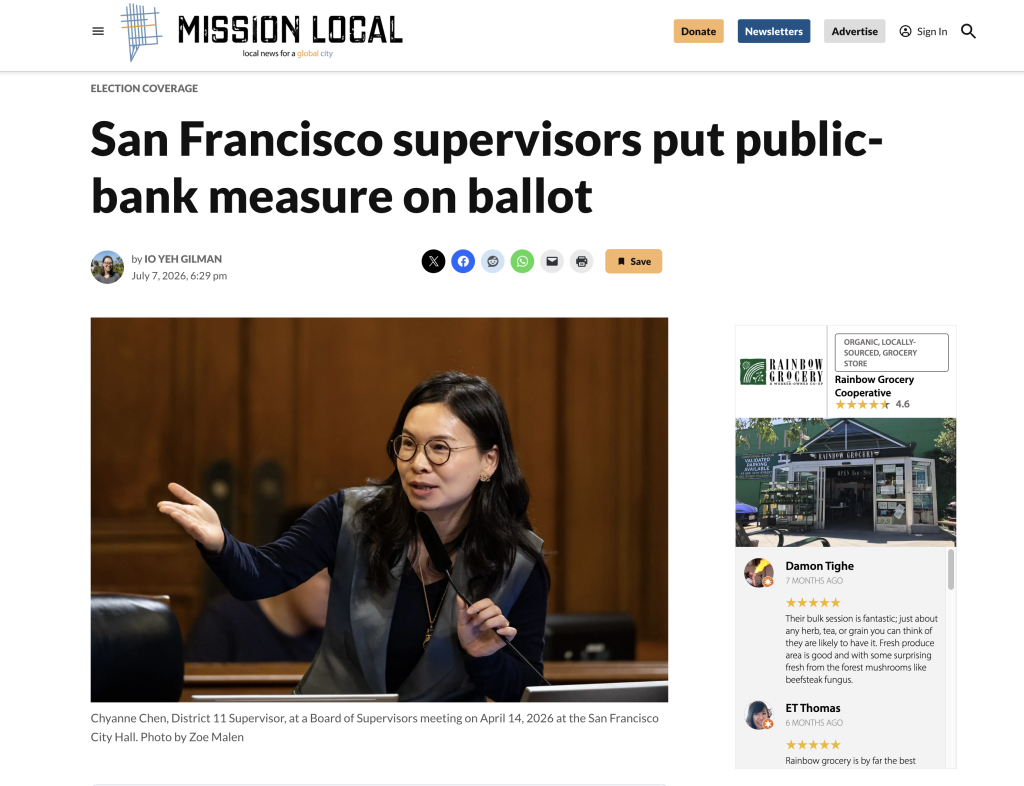
The San Francisco Board of Supervisors voted 9-2 Tuesday to place a measure on the November ballot that would be a step towards creating the first city-run public bank in the country.
A public bank would let the city issue low-cost loans to affordable housing developers, small businesses, green infrastructure projects, and other entities that struggle to get loans from traditional banks.
“We can build a public bank that prioritizes reinvesting back into what we all need to sustain our local communities,” said Supervisor Chyanne Chen, who sponsored the measure. It will appear on the Nov. 3 ballot and requires more than 50 percent of the vote to pass.